Surface finishing has evolved from a labor intensive task to a precision-driven engineering process. Today’s industrial landscape coating quality is directly affecting durability, corrosion resistance, and overall perception of the product. Numerous facilities utilize paint robots to increase control and maintain consistency as global standards become more stringent and customers require flawless quality finishes.
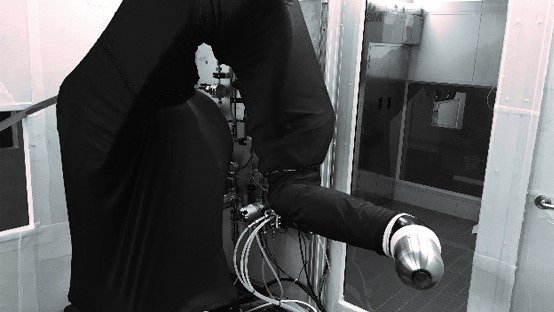
Image credit: automatedsolutions.com.au
A modern paint robot brings structured motion and programmable accuracy to applications that once depended on operator technique. Manufacturers reduce inconsistencies such uneven film construction or excessive usage of material by automating the spray path, speed, and the angles of application. This predictable coating process supports First Time Quality, and reduces the need for rework.
Consistency, efficiency, and measurable gains
The human factor, or minor differences in techniques can result in variations in thickness and coverage of manual paint. Paint robots eliminate that variation through repeating the same motion patterns throughout each production cycle. This kind of repetition provides a uniform surface finish, and an optimal distribution of the material on every part.
Advanced robotic paint systems also enhance transfer efficiency. Through keeping a precise distance and orientation between the applicator and component, the amount of overspray is decreased and the coating material gets to the desired surface. The reduction of material waste can result in savings. A decrease in CO2 emissions from volatile organic compounds help to ensure environmental compliance.
Paint robotics that integrates fluid handling to ensure accurate mixing ratios for coatings composed of several components. It eliminates any irregularities that could affect the quality of the finished. The combination of steady flow control as well as programmable parameters allows producers to fine tune the atomisation settings and patterns in real time without interrupting production.
Productivity and safer workplaces
Adopting a robot painter has a significant benefit in terms of improved uptime. Paint robots are more efficient than manual operations because they run without interruption. Once they are programmed, they can ensure an unbroken flow of paint without breaks or monitoring.
When handling solvent-based two-component coatings safety considerations are vital. Paint atomized may create hazardous environments, especially when working with substances that are flammable or reactant. Modern paint robots have been developed to be safe even in the most challenging working environments. They reduce employees’ exposure to harmful substances, and enhance safety at work.
Conveyor track technology boosts productivity by allowing robot painting as the components remain in motion. This capability expands the effective working envelope and keeps production lines operating efficiently.
Australian Automation Expertise Supporting Industry
It is crucial that companies have access to automation partners who have experience. Automated Solutions in Australia has an established reputation for offering high-end robotic integration services. With vast experience in automation engineering, the group works as FANUC-certified robot integrators who assist businesses with custom robot paint solutions that are aligned with their operational goals.
Automated Solutions combines technical expertise and industry knowledge to aid manufacturers in evaluating the current process and developing robots that can paint cells that are optimized. Through collaboration in scheduling, simulation, as well as system integration, facilities get an understanding of anticipated performance improvements before installation begins.
Adopting paint robotics is not just about automation, it is about tangible improvements in quality as well as safety and efficiency. Paint robots that are well-designed can transform the process of finishing surfaces into a repeatable, effective and controlled operation. Manufacturers can increase their performance by collaborating with automation experts who are experienced in helping them to succeed over time in an industry that is becoming more demanding.