Industries today are navigating the era of speed, flexibility, and efficiency are not just a matter of choice, they are essential. Traditional infrastructure, usually expensive and slow to change and adapt to the growing demand for real-time analysis and distributed operations. ScalerPi offers a new perspective through a combination of edge computing with practical engineering in order to offer solutions that can truly scale.
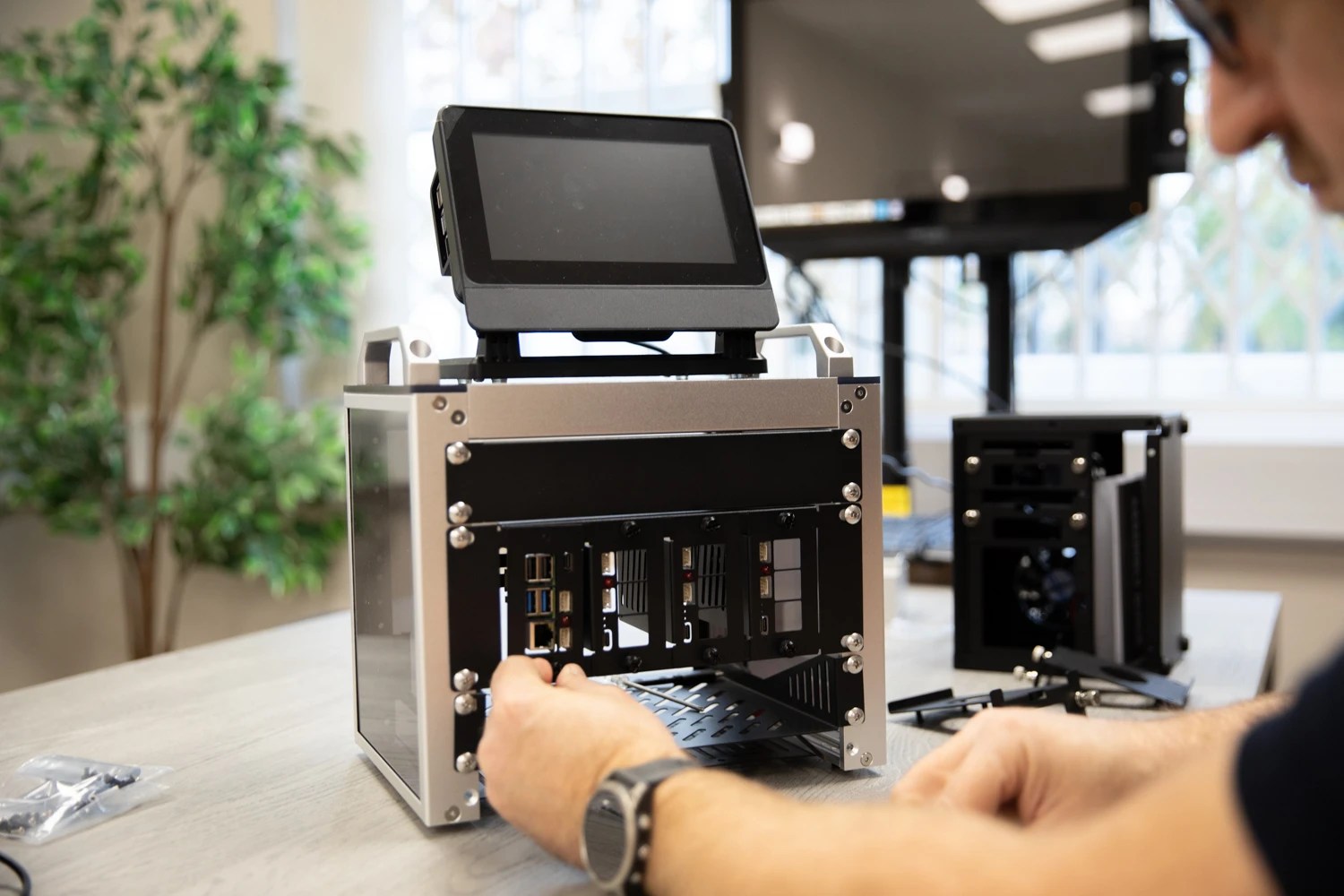
The Raspberry Pi is at the at the heart of this new revolution that allows organizations to rethink their approach to designing and governing systems. Companies can now make use of portable, light devices to replace bulky, centrally-located hardware. This approach not only reduces latency but also empowers teams to respond instantly to any changes in conditions.
Transforming Data into Action at the Edge
The capability to handle information locally is the key advantage of edge computing. The waiting for cloud-based solutions to be able to handle a variety of industrial settings isn’t practical. ScalerPi helps with this by offering infrastructure that is independent while integrating with larger systems as needed.
An essential component of this system is the industrial Raspberry Pi IoT gateway, which functions as the central interface between devices as well as applications. It enables seamless communication across sensors, machinery, and software platforms. It ensures that data is transferred securely and efficiently. This allows real-time monitoring of operations, prompt detection of issues, and consistent performance across sites.
This capability can have a profound impact on industries such as logistics and environmental monitoring. Systems can continue functioning even in low-connectivity or remote areas, ensuring that operations continue unaffected and that data is accessible.
Compact Power for Demanding Environments
In industrial computing, balancing speed and practicality is one of the biggest challenges. Although large servers offer great power, they’re often expensive, use a lot of energy, and have little capacity. ScalerPi overcomes this with industrial Raspberry Pi servers that deliver reliable computing in a compact, energy-efficient form.
They are specifically designed for environments in which the power and space are both limited. They can be employed in a manufacturing facility or retail outlet, as well as remote monitoring stations. Modularity allows businesses to grow their systems slowly, based on the actual needs.
The tiny industrial Raspberry Pi module server takes this concept one step further and offers greater versatility. Built for demanding conditions, these servers combine durability with high-end processing capabilities. These servers are ideal for applications that require continuous operation such as smart cities, or industrial automation systems.
Flexible Deployment Using Containerized Delivery
Modern infrastructures need to be flexible which is where containerization plays a key role. ScalerPi integrates Raspberry Pi docker for flexible and efficient applications management. With Docker, businesses can deploy updates, upgrade, and scale applications swiftly, without disrupting current operations.
This process makes development simpler and assures consistency across deployments. The software can be tested and then easily transferred into a new environment, minimizing the chance of errors and enhancing reliability. This level of control can be a huge benefit for companies who manage multiple sites.
Containerization also facilitates innovation. Teams can experiment with new services or features without affecting the existing systems making it easier for them to stay ahead of competitors in the industry.
Practical Solutions for a variety of sectors
ScalerPi is a powerful device since it is adaptable to a broad range of industries. Industrial automation using Raspberry Pi helps to reduce downtime, improve efficiency, and facilitate predictive maintenance in manufacturing. Machines are able to communicate and exchange information, creating an smart and connected production environment.
Edge solutions in agriculture support better farming practices. Sensors track the weather patterns, soil conditions as well as the health of crops. This allows farmers to make informed decisions that will increase yields and conserve resource.
Real-time information about customer behavior is beneficial to the hospitality and retail industries. Businesses can improve the customer experience by enhancing their operations. This includes digital signage as well as queue management. Projects in the public sector like smart cities are based on cutting-edge technology for tasks such as asset tracking and environmental monitoring.
Bridge Hardware and Cloud Confidently
What makes ScalerPi unique is the ability it has to bridge the gap between physical devices as well as cloud-based systems. By combining hands-on knowledge of hardware with modern cloud practices that create a seamless platform that can handle both local processing and centralized management.
This ensures businesses can grow without adding more complexity. The infrastructure can be managed, cost-effective and secure, whether you start with a small deployment or increase to thousands of devices. Transparent pricing and modular design aid in the process and allow organizations to concentrate on developing new ideas rather than addressing the operational challenges.
Industrial Technology for the Future
The need for a scalable and adaptable infrastructure will only increase as industries develop. ScalerPi provides a solution that can meet these needs by combing the power of cutting-edge computing with the flexibility of Raspberry Pi technology.
Every component including industrial Raspberry Pi servers to advanced IoT gateways and containerized applications is designed to ensure scaling and usability. The infrastructure is designed to not just serve today’s needs, but make sure that businesses are prepared for the future.