Determining where a medical issue originates is not always as simple as knowing where discomfort is felt. Think of two people: one experiences ongoing headaches, while the other has recurring knee pain. They might need entirely different diagnostic assessments. Symptoms that appear alike may not have the same medical explanation.
Diagnostic imaging helps doctors explore these questions by allowing detailed visualization of structures that cannot be examined directly. Although imaging equipment matters, the choice of examination is equally significant.
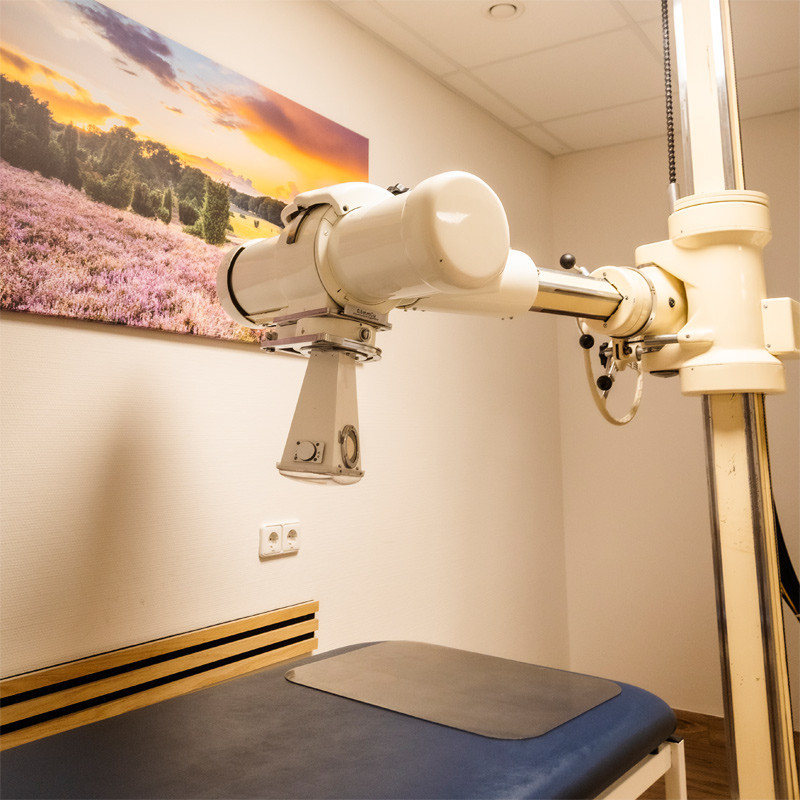
At the Diagnostic Radiology Center Wolfsburg, advanced diagnostic equipment accompanies individual patient care to support accurate examinations and informed medical decisions.
Different Questions Require Different Imaging Methods
Magnetic resonance imaging, usually referred to as MRI, is especially helpful when doctors need detailed information about soft tissues. The technique can be used to assess muscles, ligaments, joints, organs, and certain neurological structures without relying on ionizing radiation.
The role of computed tomography (CT) is not the same as the role of MRI. For evaluations of bones, the lungs, and various internal conditions, CT can be particularly useful because it can rapidly generate cross-sectional images. Radiation exposure is an important consideration when choosing an examination because CT uses X-rays, unlike MRI.
For assessments of many conditions affecting bones or the chest, digital X-rays remain valuable. Current imaging equipment can produce diagnostic images efficiently while using approaches designed to reduce avoidable radiation exposure. The assessment made by the referring doctor, together with the patient’s medical history and the clinical question, informs the choice of appropriate imaging.
When Standard Imaging Isn’t Enough
Some medical questions require a more specialized examination. Planning additional prostate investigations can be informed by multiparametric MRI of the prostate, which can help reveal potentially suspicious regions within the prostate. Urological assessment can benefit from the information provided by this examination, without the findings automatically confirming cancer.
Dedicated imaging methods also has a role in breast imaging. As a complement to conventional mammography, 3D mammography, known as tomosynthesis, produces multiple images taken at different angles to help radiologists examine overlapping breast tissue. To discover more, click here privat MRT
Without the use of ionizing radiation, whole-body MRI can provide broader anatomical coverage. Existing screening programs should not be universally replaced by whole-body MRI. The value of the examination must be considered in light of the medical indication.
How Imaging Helps During Targeted Treatment
Identifying abnormal findings is only one application of radiology. In selected cases involving nerve-related pain, CT-guided periradicular therapy may be considered. During this procedure, imaging assists in directing an injection to a specific region around a nerve root.
The intention is to administer treatment accurately while helping reduce irritation or inflammation where appropriate. The suitability of the procedure is determined by the diagnosis, symptoms, and clinical evaluation. Radiation-based treatment options for certain chronic conditions are also available at the Wolfsburg center, subject to individual assessment of suitability.
A Better Examination Begins Before the Appointment
Previous diagnostic images can be extremely useful. To help determine whether an abnormality is new or a change has existed for some time, radiologists can review medical images from different dates.
Patients attending the Diagnostic Radiology Center Wolfsburg are encouraged to bring their referral, health insurance card, and available previous imaging reports or scans. The center also asks patients to bring a large towel when attending appointments for CT, MRI, or breast ultrasound. Pregnancy, relevant implants, allergies, kidney issues, and other medical concerns should be communicated to the center when scheduling examinations, particularly when contrast agents or MRI safety requirements may be involved.
Medical Technology Works Best With Clear Communication
Knowing what to expect during an imaging examination matters to patients, even when sophisticated scanners can produce detailed images.
Well-organized appointments, understandable explanations, and respectful personal care are emphasized at the Diagnostic Radiology Center Wolfsburg. The center combines specialized imaging services with thoughtful preparation and communication. The approach helps patients feel more confident about diagnostic examinations and a better understanding of the medical care they receive.