It’s not that hard for an entire pump station to stop functioning to be a problem. It can still transfer water or wastewater every day however, it struggles during high demand, require more frequent maintenance, or rely on controls that are becoming difficult to manage. The equipment works, but its design may no longer reflect the conditions around it.
Developers, municipalities, and facility owners, being aware the difference is an essential part of planning infrastructure improvements.
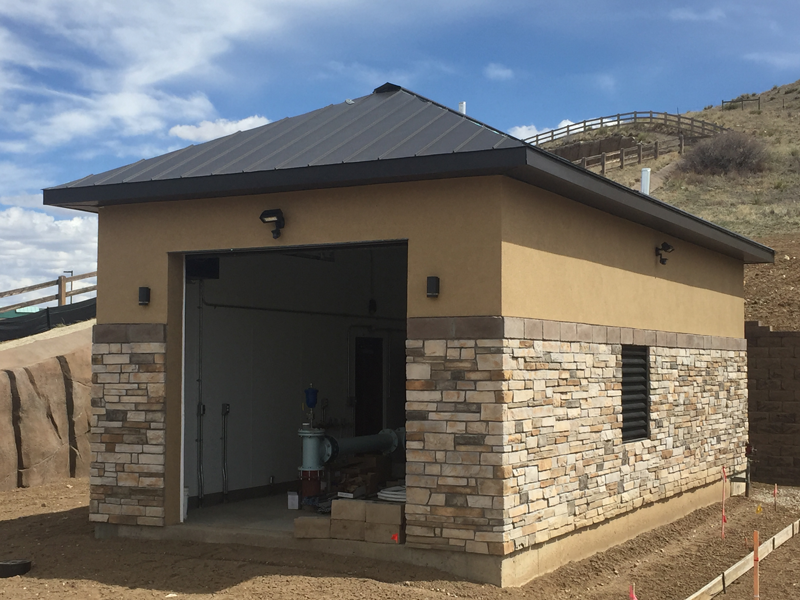
Image credit: romtecutilities.com
See beyond the equipment Not Working
The retrofitting process of a wastewater liftstation should begin by looking at the entire system and not only the pump. Engineers should evaluate the wetwell, the mechanical equipment, as well as electrical components. They must also take into consideration discharge pipes as well as the needs of current pumping.
The state of the wet well is vitally important. If its structure is in good condition, it may be feasible to keep it in place as a replacement for outdated equipment. Construction costs can be reduced when compared to the construction of a new station. Retaining the existing infrastructure is only beneficial when it is in line with the changes being planned.
The service area has changed.
An old wastewater treatment plant may be supplying additional homes, industrial buildings or commercial properties.
These modifications could have an impact on flow rates and operational requirements. Successful lift station rehabilitation therefore requires more than restoring the original equipment specifications. Engineers must assess the flow of current and anticipated flows and the overall dynamic head of equipment operating reliability, as well as the capacity.
It’s not enough just to purchase a bigger pump. The new pump must be compatible with the existing piping electrical supply, controls and other components. If you modify one of the components there is a chance that it will cause issues with other parts of the system.
Priorities for stormwater retrofits are different
Retrofitting a stormwater pumping station brings additional considerations, as the runoff patterns are affected by rainfall as well as nearby development. A station that is connected to an aquisition pond might experience different patterns of inflow from those receiving water directly through storm drains. The quantity of runoff that enters the station can be affected by new pavements in addition to parking space, or changed drainage infrastructure.
Before recommending a new stormwater pump, engineers should look over the drainage areas, peak flows expected and the storage capacity available, discharge conditions and pump performance.
These findings will help to determine the extent to which modernization of equipment is sufficient or if the station needs more extensive reconstruction.
Design your project before you interrupt service
What the station’s capabilities will be in rehabilitation is a subject which is frequently ignored. In general, wastewater systems cannot be closed without a plan to control flow.
Based on the available space and project needs the construction could involve temporary bypass pumping or replacement infrastructure alongside the operating station.
The system could be necessary to be used in an emergency downpour. The engineering plan must contain the installation process along with temporary operations, equipment and integration.
Help to Make the System simpler to use
Romtec Utilities provides site-specific engineering and supply solutions for stormwater and wastewater pumping needs.
The company’s retrofit strategy identifies the structural, mechanical, electrical, and communication components will remain, and which ones require replacement. The company provides owners with preliminary designs, budget estimates and project alternatives.
Following installation, tests for startup testing, operator training and commissioning are crucial to ensure that the newly upgraded station is functioning as designed. Operators should be able maintain and understand the system following a successful rehabilitation.
Improve the System, Not Just Its Age
A pump station that is older isn’t a guarantee to be completely replaced. Some structures may have decades of useful service remaining, even if their mechanical and electrical equipment requires modernization. It is important to determine the items that can be preserved safely and economically while making sure that the final product meets current and future demands.
Through analyzing the general operational conditions and structural integrity as well as the requirements for hydraulics and construction restrictions, owners are able to make better-informed decisions.
It’s more than just getting an old station work again. It’s about making sure that the upgraded system is prepared for the future work.